Mold Inspections and Health Risks: Recognizing the 10 Most Common Signs of Mold Toxicity
Mold Inspections and Health Risks: Recognizing the 10 Most Common Signs of Mold Toxicity
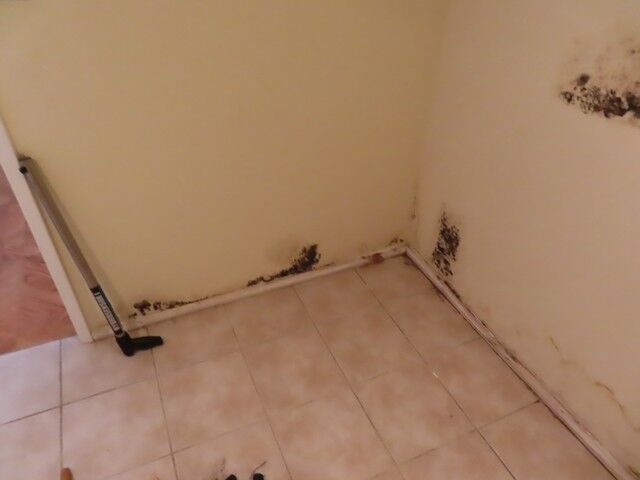
Mold in your home can remain hidden for long periods, allowing mold growth and mold spores to spread throughout indoor air. A professional mold inspection helps identify mold growth, uncover hidden mold, and provide accurate information so informed decisions can be made.
Continue reading to learn how mold exposure affects health, how to recognize signs of mold toxicity, and why mold inspection and testing services are critical for peace of mind and long term protection.
Why Mold Inspections Matter for Health
A mold inspection is more than a visual inspection. It is a complete mold inspection designed to evaluate conditions conducive to mold growth, including water intrusion, mold and moisture problems, compromised building materials, and indoor air quality concerns. Mold spores in the air can circulate long before visible mold appears, affecting occupants even when no obvious mold problem is visible.
Professional mold inspection services are especially important in homes or businesses where mold may develop due to plumbing leaks, roof intrusion, poor ventilation, or past water damage. Certified mold inspectors specialize in mold detection and mold assessment using industry standards for mold inspection and testing. This approach ensures unbiased findings without conflict of interest related to mold remediation services.
How Mold Exposure Affects the Body
Mold releases airborne mold spores, allergens, and contaminants into indoor mold environments. Exposure to mold may cause respiratory irritation, allergic responses, fatigue, and other human health effects. Long term exposure to mold can worsen existing conditions, especially in children, seniors, and those with asthma or allergies.
Mold inspection and testing services help connect symptoms to environmental conditions by identifying mold concentration, collecting air samples, and evaluating mold species present. This information helps determine the severity of the mold and whether remediation services are necessary.
10 Common Signs of Mold Toxicity
The following signs often prompt homeowners to suspect mold in their home and request professional inspection services.
1. Persistent Respiratory Issues
Coughing, wheezing, and shortness of breath are common signs of mold exposure. Mold inspectors assess indoor air and airborne mold spores that may be circulating through HVAC systems.
2. Chronic Nasal Congestion and Sinus Pressure
Ongoing congestion and sinus pressure may indicate hidden mold growing behind walls or ceilings. Mold inspection services help find mold in areas where mold often grows unseen.
3. Frequent Headaches
Headaches may be linked to poor indoor air quality. Mold inspection and testing services evaluate mold spores in the air and other airborne contaminants.
4. Ongoing Fatigue
Fatigue that improves when leaving the property may indicate mold contamination. Mold testing and inspection can confirm mold presence and concentration of mold indoors.
5. Skin Irritation or Rashes
Skin reactions can result from direct or indirect exposure to mold. Mold inspectors identify mold growth even when visible signs of mold are limited.
6. Eye Irritation
Itchy, burning, or watery eyes are common with mold exposure. Air sample collection often detects airborne mold spores responsible for irritation.
7. Brain Fog and Difficulty Concentrating
Poor indoor air quality caused by mold spores can affect focus and cognitive function. Mold inspection and testing services provide data to identify mold related causes.
8. Mood Changes or Irritability
Some occupants experience anxiety or irritability when mold is present. A professional mold inspection helps rule out environmental triggers.
9. Worsening of Existing Health Conditions
Asthma, allergies, and other conditions may worsen with mold exposure. Mold inspection services help identify mold growing that could be contributing to flare ups.
10. Symptoms Improve When Leaving the Property
If symptoms improve away from the home or workplace, mold inspection services are strongly recommended. This pattern often indicates indoor mold exposure.
Why Mold Inspections Are Critical Even Without Visible Mold
Visible mold is not always present when mold is found. Mold colonies can grow behind walls, under flooring, or inside ceilings. Odor, moisture intrusion, or water damage are signs of mold growth even without visible mold.
Professional mold inspections use non invasive tools to detect hidden mold and evaluate areas where mold spreads. A mold inspection company assesses moisture, ventilation, and building materials that are prone to mold growth and future mold growth.
What the Mold Inspection Process Typically Includes
A professional mold inspection involves a structured inspection process, which may include:
- Visual inspection of areas where mold commonly develops
- Moisture detection to locate hidden water sources
- Air sample collection to measure mold concentration
- Surface sampling when visible signs of mold are present
- Laboratory analysis to identify mold species and mold types
This testing process provides documentation without performing mold removal or mold remediation.
Mold Inspection vs Mold Remediation
Mold inspection and remediation are separate services. Mold inspectors conduct mold inspections but do not perform remediation. This separation avoids conflict of interest and ensures unbiased reporting.
Once mold inspection and testing services confirm mold contamination, a licensed mold remediation service can follow proper remediation process steps. Post remediation clearance testing confirms mold has been eliminated.
Mold Inspections for Real Estate and Property Owners
Mold inspection services are often requested during real estate transactions. Buyers, sellers, and real estate agents rely on mold assessment reports during a home inspection or property inspection. Mold inspections help address mold concerns before closing and protect all parties involved.
For homeowners preparing to sell, it may also be helpful to review our article: Orange County Mold Testing: What Homeowners Should Know Before Selling, which explains how mold testing supports disclosure and protects property value.
Schedule Professional Mold Inspections With Confidence
If you suspect mold in your home or business, Golden State Mold Inspections specializes in mold inspection and testing services throughout Los Angeles County and the greater Los Angeles area.
We provide professional mold inspections, post remediation clearance testing, asbestos screening when needed, and detailed reporting designed to protect your home and health. Our inspection services prioritize accuracy, clear communication, and taking the time to explain findings so you can take the right steps to address mold with confidence.
Call us today to schedule your mold inspection and take the next step toward healthier indoor air and long term protection.

Golden State Mold
204 Lomita St, El Segundo, CA 90245
(310) 525-0619
https://goldenstatemoldinspections.com/